
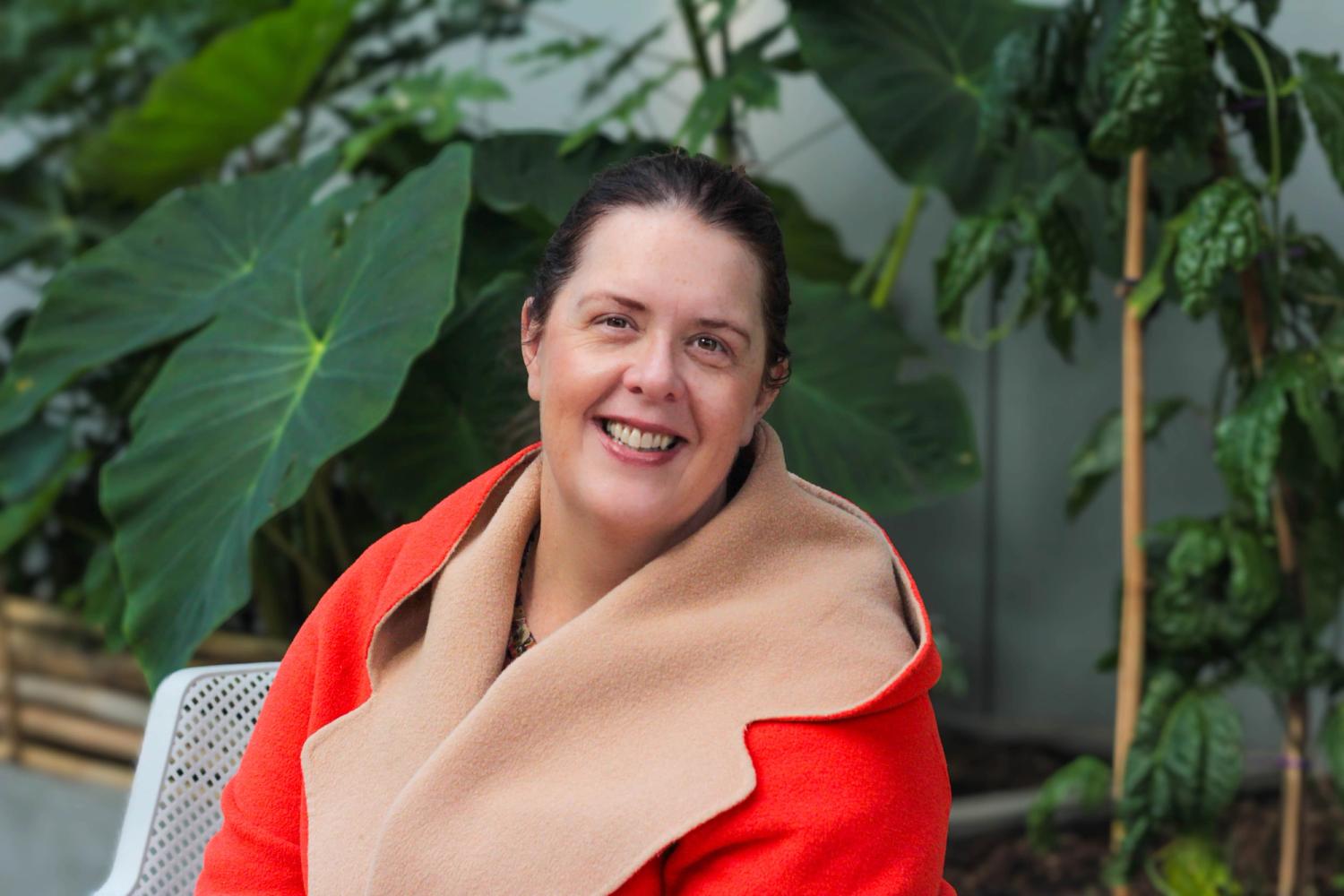
This opinion piece by City Missioner – Manutaki Helen Robinson was published in the NZ Herald on 19 September 2026
Somewhere in Auckland in the coming week, someone who is sleeping rough will be asked to move on from a place that feels safe to them, or face a fine or imprisonment.
As a country, I know we are better than this. I know that because, in my role as Auckland City Missioner, I see the goodness of New Zealanders every day. Their generosity, their kindness and their compassion have kept Te Tāpui Atawhai – Auckland City Mission going for 106 years.
Most people, when they see someone sleeping rough, think “That person needs help”, and want them to get it. People with nowhere else to go sleep in visible places during the day because it isn’t safe to sleep at night, when it’s dark and cold. At least four people have died on New Zealand streets this winter, three of those within seven days. If there were somewhere safe and warm to go, perhaps those people would still be with us.
Perhaps rough sleeping would not have to be dealt with by move-on orders.
I believe most New Zealanders will recognise the strange logic of a system that allows policy to contribute to homelessness, then punishes the behaviour that homelessness produces.
As human beings, we fear what we don’t understand. But understanding what leads someone to sleep rough means confronting some difficult truths about how thin the line is between “them” and “us”.Nearly everyone who ends up living on our streets has experienced trauma; many carry a traumatic brain injury, often from childhood, often at the hands of an adult who should have protected them.
These facts do not, on their own, guarantee a life on the street. The truth is, most of us are only a few bits of bad luck away from this story being ours. An injury that ends our ability to work, a debt that means we can’t pay a mortgage. A relationship breakdown. A mental health crisis – more than 20% of New Zealanders experience some form of mentalillness in any given year, and nearly half will in our lifetimes. Substance use that turns harmful, as it will for more than a quarter of us.
The people we’re fortunate to be in relationship with at the Mission include people with PhDs, elite athletes, talented musicians, mums and dads; people for whom life went quite severely sideways. None of us is as far from losing everything as we’d like to think.
And you know what? That is a scary thought. It’s confronting to see someone suffering, and feel there’s nothing you can do. It’s hard on the heart to know we live in such a beautiful, abundant country while people go without the basics. Some find it easier to look away than look someone in the eye and think, “I could be you.”
Since the Summary Offences (Move-on Orders) Amendment Bill was announced in February, the Mission’s outreach team has seen more people sleeping rough in the suburbs, dispersing from the CBD in anticipation of the move-on orders coming into force. Most people sleeping rough don’t know the finer details of what is or isn’t law yet, what they can and can’t do under the new rules. They just don’t want to get into trouble.
And so, many of you will have noticed new faces in your neighbourhoods. These are people with families, friends, opinions, interests, strengths and flaws. The irony of this bill is that it has made it harder than ever to ignore homelessness. We have asked since the orders were proposed: “Where will people go?” Now we’re finding out, the question becomes: “How will we welcome them?”
We cannot ignore these new members of our communities, because your “elsewhere” will always be someone else’s “somewhere”. Until we live in a country where there is a home for everyone, and the means for people to make a life from that home, this is our reality. So instead of ignoring these new faces, perhaps we could try accepting them, and see what happens. Take the time to get to know your new neighbours, to meet their gaze, to say, “Good morning”.
What you learn may surprise you. Your life might even become richer for knowing someonewholeads a life that, right now, looks quite different from yours. Someone you might never have met, had they not been moved on from our city centre.