
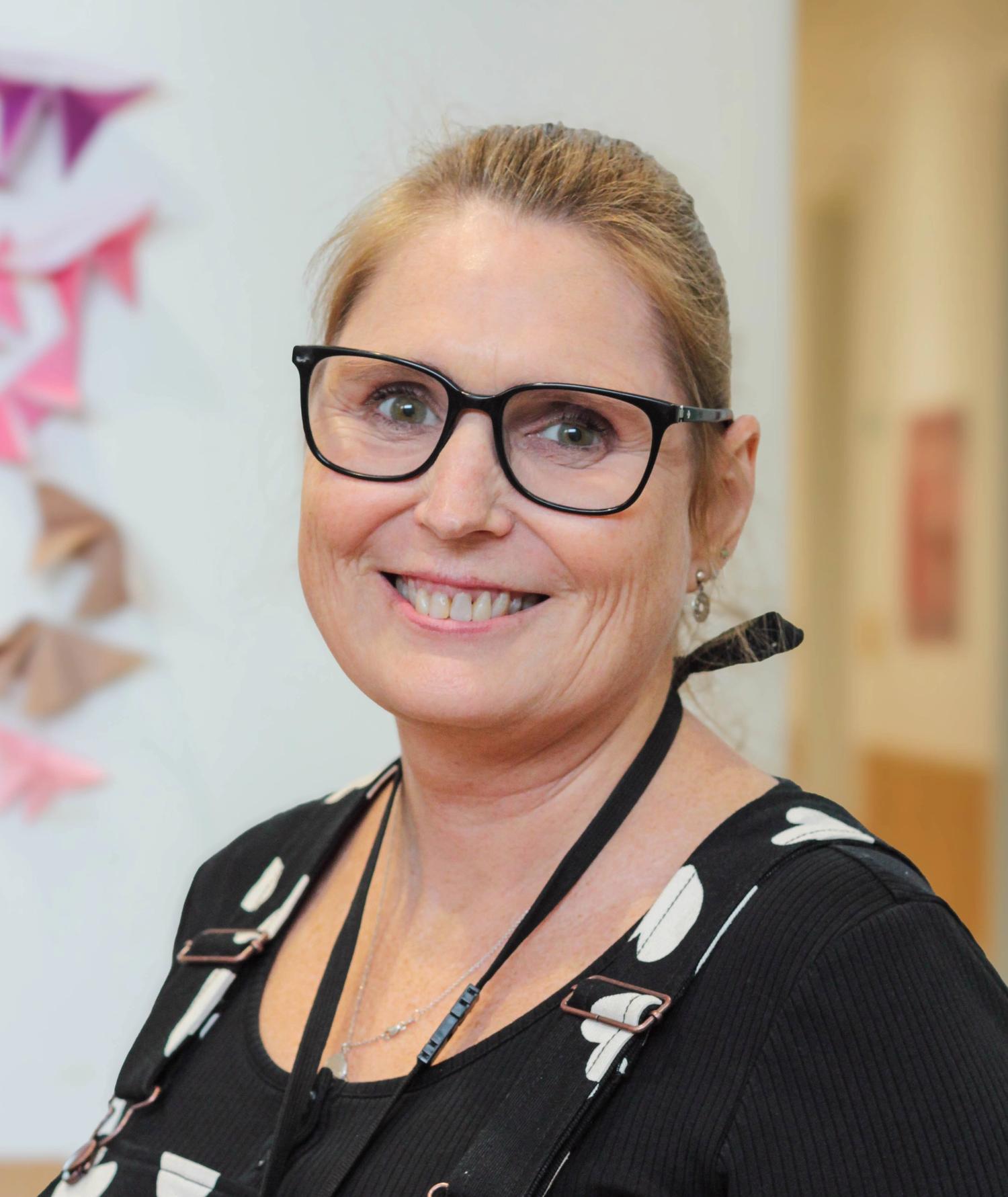
Nurse Practitioner Lizzy has been at the Mission for two years, supporting patients to address the complex health impacts of homelessness, poverty and trauma.
More than half of the patients enrolled at Calder have experienced homelessness and Lizzy sees every day the profound physical and emotional toll of life on the streets. “For our patients the average age of death is 54 – about 20 years younger than the general population.”
Many have lived through multiple layers of trauma, including intergenerational trauma, cultural trauma, and “a whole trajectory of being in care and ending up institutionalised – being let down by the system.”
“At Calder, we are non-judgmental and work under a trauma-informed model of care. We don’t care that you’ve just rocked in off the street. We’re not going to judge you for swearing, for crying. And people know we’re a safe place, so they’re able to disclose things they may not have shared before.”
The patients Lizzy supports often live with multiple complex health conditions—including chronic illnesses, mental health challenges and substance-related harm. These complexities can lead to tragic outcomes.
“I had one patient who recently passed away at just 48. She experienced homelessness at quite a young age, had meth-induced heart failure, type 2 diabetes and schizophrenia.”
Because of the complexity of care needed, consultations tend to be longer than in a typical general practice.
“We spend longer with each patient - if somebody presents and they need bloods and an ECG and 10 other things, we’ll do it. And there's not going to be any extra charge for it.”
“I think when you're truly motivated by patient outcomes and patient equity, that's when the magic happens.”
While some of her consultations can be quite routine, she never knows what the day will bring.
“You have to be prepared for whatever comes in. Sometimes, it will be something really complicated and urgent. We recently had someone collapse in the waiting room. And we've got really unwell people with mental health issues who may have missed their medication, so it can be quite unpredictable.”
Caring for people experiencing homelessness also brings challenges that extend beyond the consultation room:
“Sometimes I get a phone call out of hours with critical results, someone who urgently needs to be admitted to hospital, but they’re homeless, they don’t have a phone and we have to find a way to get hold of them.”
Lizzy says this mahi often means recognising that not everything can be ‘fixed’: “The privilege lies in learning that your presence, your listening ear and consistent respect can be a powerful form of support in itself.” It’s a reminder of the value in simple human connection, especially for those who society often ignores, blames or dehumanises.
And through those connections, Lizzy sees some moments of great hope: “My highlights are the patients who've managed to completely turn their lives around, despite everything, who are living really full lives and who have been able to quit drugs and alcohol and remain sober.”
One patient stands out for Lizzy: “I was seeing him for a little while before he opened up and shared that he’d been living in his car for three months.” Because Calder is fully integrated with the Mission’s social services, Lizzy was able to connect the patient with a Street to Home keyworker who helped him find a stable home. “Now he’s working! And his daughter is going through rehab and is doing really well. So he's literally clearing a pathway for his children – making those intergenerational changes.”